
As the United States approaches the midterm elections, the nation finds itself at a crossroads, grappling with economic challenges intertwined with political dynamics. Recent polls indicate a growing public dissatisfaction with the current administration’s economic policies, highlighting the complex relationship between governance and economic performance.
Public Sentiment and Economic Concerns
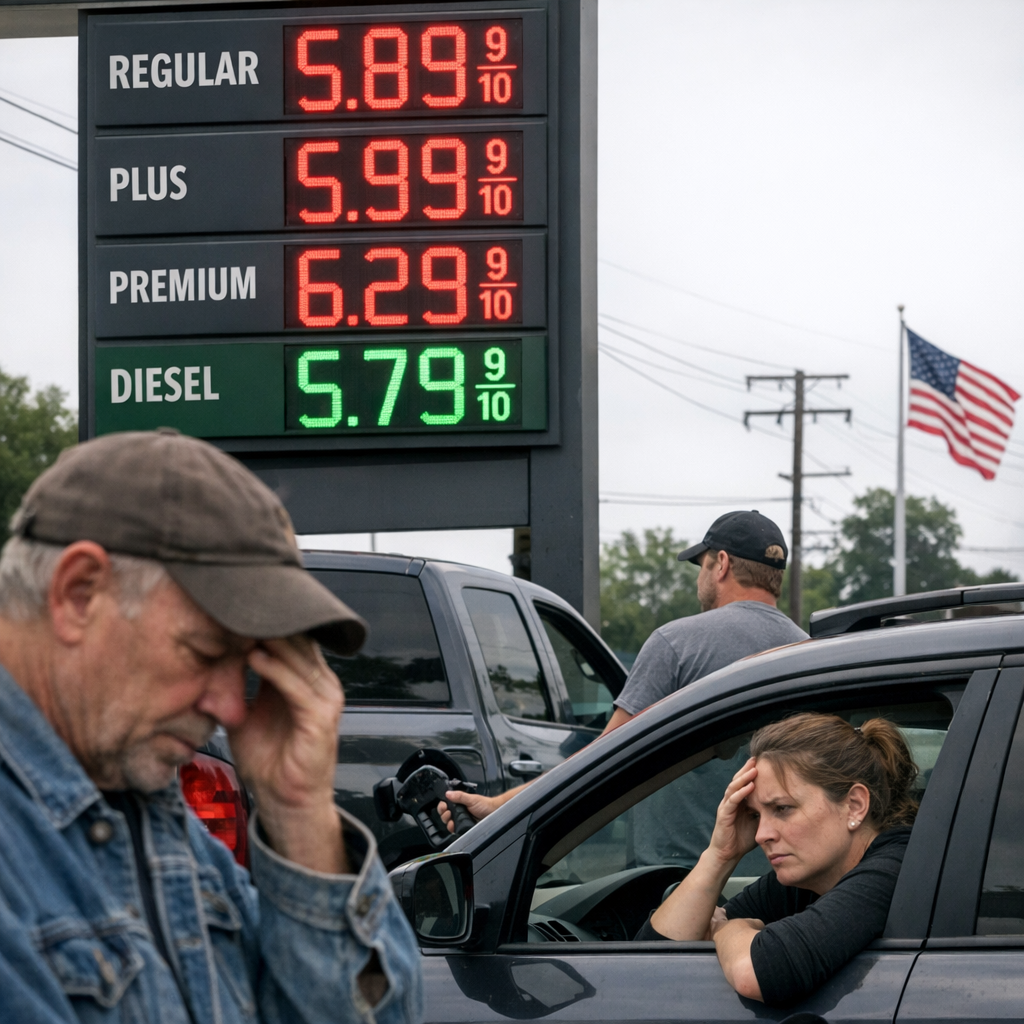
A CBS News/YouGov poll conducted in mid-May revealed that 70% of Americans feel “angry” or “frustrated” about the handling of the economy. This sentiment is largely attributed to rising energy costs and inflationary pressures. The conflict in Iran, which began in February, has led to the closure of the Strait of Hormuz, a critical passage for global oil shipments. Consequently, national average gas prices have surged above $4.50 per gallon, with some states experiencing prices exceeding $5. Inflation has also climbed to 3.8% in April, marking a three-year high.
Political Implications
The economic strain has significant political ramifications. The same poll indicates that 65% of respondents believe current policies are exacerbating economic conditions in the short term, and 50% foresee long-term harm. Approval ratings for handling inflation stand at a mere 27%, with 77% of Americans reporting that their incomes are not keeping pace with rising prices. These figures suggest potential challenges for the incumbent party in the upcoming elections.
Broader Economic Outlook
Despite these challenges, the International Monetary Fund (IMF) offers a cautiously optimistic perspective. The IMF projects U.S. gross domestic product growth of 2.4% in the fourth quarter of 2026, up from 2.2% the previous year. Unemployment is expected to decrease from 4.5% in late 2025 to 4.1% in 2026, with inflation anticipated to align with the Federal Reserve’s 2% target by 2027. However, the IMF also warns that substantial federal budget deficits pose a growing stability risk, emphasizing the need for prudent fiscal management.
Local Impact and Considerations
For communities like Winona, Minnesota, these national trends have tangible local effects. Rising fuel prices can increase transportation costs, affecting both consumers and businesses. Inflationary pressures may lead to higher prices for goods and services, impacting household budgets. As residents navigate these challenges, staying informed about both national policies and local economic developments becomes crucial.
In conclusion, the interplay between political decisions and economic outcomes underscores the importance of informed civic engagement. As the nation approaches the midterm elections, understanding these dynamics will be essential for communities across the country.